
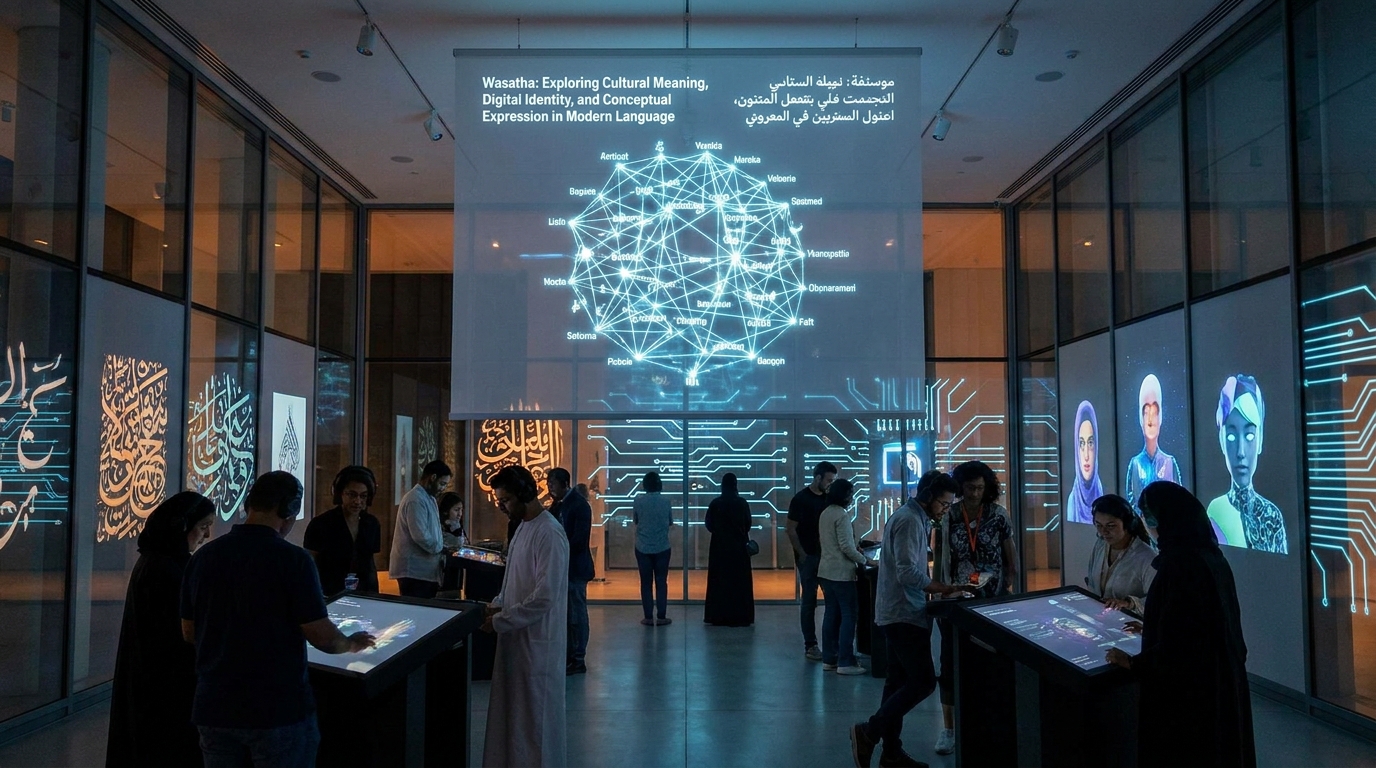
Wasatha is a conceptual and adaptable term that can be interpreted across cultural, linguistic, and digital contexts as a symbol of meaning, identity, and expression. In the modern world, where language constantly evolves through online communication and creative usage, words like Wasatha often emerge as flexible constructs that carry meaning based on context rather than a fixed definition.
Such terms are increasingly common in digital environments where communities, creators, and platforms shape language dynamically. Wasatha reflects this modern linguistic trend, where expression is fluid, interpretive, and influenced by culture, technology, and shared communication.
The Nature of Evolving Language
Language is not static; it evolves continuously as societies change. New words are formed through cultural interaction, technological innovation, and creative experimentation. In the digital age, this evolution has accelerated significantly due to global communication platforms.
Wasatha can be understood as part of this evolving linguistic ecosystem where meaning is shaped by usage rather than formal dictionary definitions. This flexibility allows language to adapt quickly to new ideas, identities, and forms of expression.
Cultural Interpretation and Symbolism
In many cultures, words carry symbolic meaning beyond their literal translation. They can represent emotions, values, traditions, or abstract ideas that are difficult to define directly.
Wasatha can be viewed as a symbolic expression that reflects cultural fluidity and interpretive depth. Depending on context, it may represent balance, connection, transformation, or a conceptual idea shaped by community understanding.
This symbolic nature makes such terms valuable in artistic and cultural communication.
Digital Communication and Modern Expression
Digital communication has transformed how language is used and understood. Social media, messaging platforms, and online communities encourage fast, creative, and often informal language development.
Users frequently adopt new words, modify spellings, and create expressions that reflect identity and group belonging. In this environment, meaning is often shared implicitly rather than formally defined.
Wasatha reflects this digital communication style where language is shaped by interaction and collective interpretation.
The Role of Conceptual Words
Conceptual words are expressions that do not have fixed meanings but instead represent ideas, emotions, or abstract concepts. They are commonly used in creative writing, branding, philosophy, and digital culture.
These words allow for flexibility and creative interpretation, making them powerful tools for expression in modern communication systems.
Wasatha fits into this category as a term that can evolve depending on its context and usage.
Identity and Online Communities
In digital spaces, identity is often constructed through language. Users adopt unique terms, usernames, and expressions to represent themselves within online communities.
These linguistic choices help build belonging, recognition, and cultural identity within digital ecosystems.
Wasatha can symbolize this process of identity formation, where meaning is created collectively through participation and interaction.
Creativity in Language Development
Creativity plays a central role in how language evolves. Writers, artists, and digital creators constantly experiment with new forms of expression to communicate ideas in original ways.
This creative process often leads to the formation of new words or reinterpretation of existing ones.
Wasatha represents this creative linguistic development where meaning is not fixed but continuously shaped by imagination.
The Influence of Technology on Language
Technology has significantly accelerated the evolution of language. Artificial intelligence, social media, and global communication tools allow words to spread and evolve rapidly.
Online platforms encourage experimentation with language structure, tone, and meaning. As a result, new expressions emerge and gain cultural relevance quickly.
Wasatha reflects this technological influence on language evolution and communication practices.
Abstract Meaning and Interpretation
Abstract terms like Wasatha rely heavily on interpretation. Different individuals may assign different meanings based on personal experience, cultural background, or situational context.
This interpretive flexibility allows such terms to function across multiple domains, including art, philosophy, and digital communication.
It also encourages deeper engagement with language as users actively construct meaning rather than passively receiving it.
The Role of Language in Cultural Connection
Language is a key tool for cultural connection and understanding. It allows individuals to share ideas, express identity, and build relationships across different backgrounds.
In modern multicultural environments, language often blends influences from multiple cultures and systems.
Wasatha reflects this blending process where meaning emerges from shared cultural interaction.
Branding and Conceptual Naming
In modern branding, unique and abstract names are often used to create distinctive identities for products, platforms, or creative projects.
These names are intentionally flexible, allowing meaning to develop over time through audience engagement.
Wasatha can function as such a conceptual name, representing adaptability and creative branding potential.
Challenges of Undefined Language
While conceptual words offer flexibility, they can also create challenges in communication. Without a fixed meaning, interpretation may vary widely between individuals.
This can lead to ambiguity or misunderstanding if the context is not clearly established.
Wasatha highlights this balance between creative freedom and clarity in modern language systems.
The Future of Linguistic Evolution
As digital communication continues to expand, language will likely become even more dynamic and adaptive. Artificial intelligence, virtual environments, and global connectivity will continue shaping how words are created and understood.
Conceptual and flexible terms may become more common in both formal and informal communication.
Wasatha represents this future direction of language evolution, where meaning is fluid and community-driven.
Conclusion
Wasatha symbolizes the evolving nature of language, culture, and digital communication in the modern world. It reflects how meaning is no longer fixed but shaped by context, creativity, and collective interpretation.
As society becomes increasingly connected through technology, conceptual terms like Wasatha will continue to play an important role in identity formation, cultural expression, and creative communication.
The future of language lies in flexibility, adaptability, and shared understanding, where words become living expressions of human creativity and interaction.