

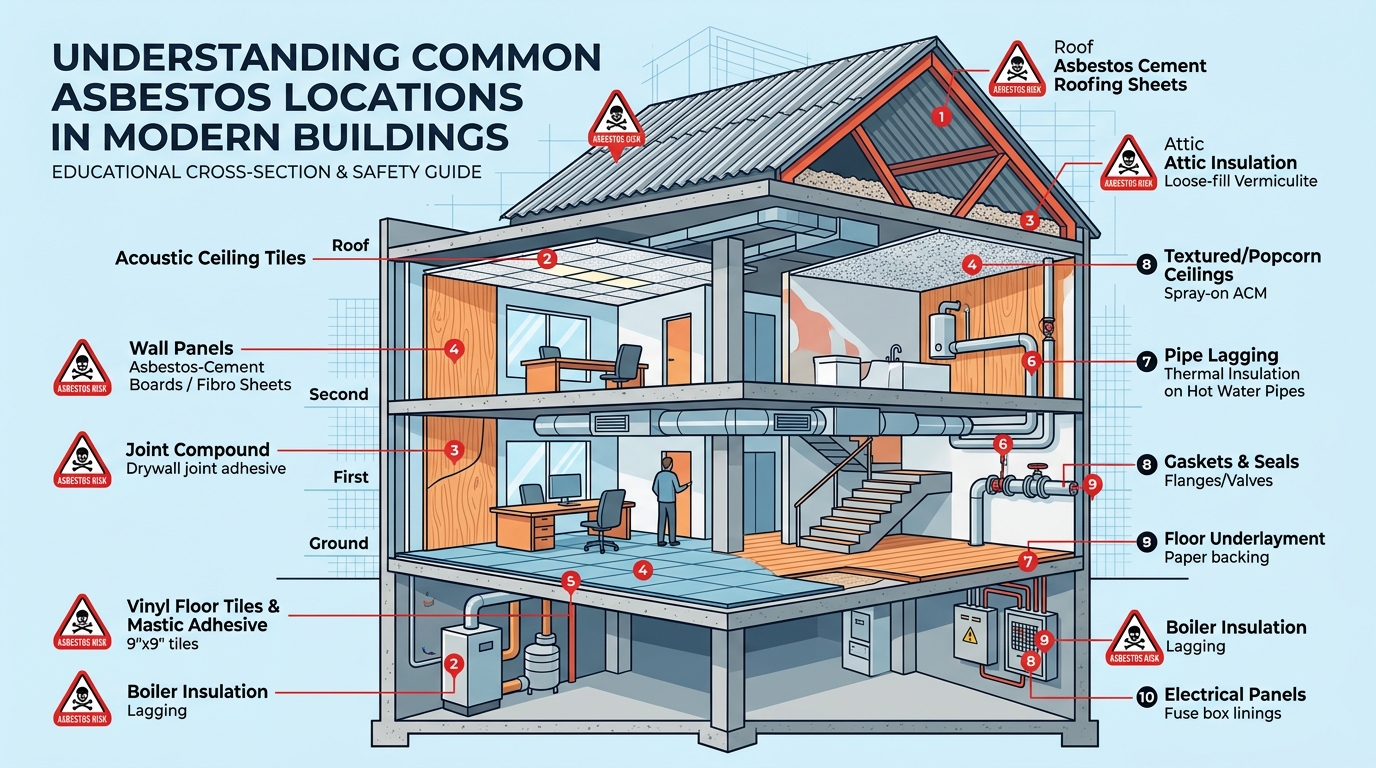
Asbestlint has become an emerging term associated with discussions surrounding asbestos awareness, environmental safety, and responsible building management. As older structures continue to age across the world, property owners, contractors, and environmental professionals increasingly focus on identifying hazardous construction materials before renovation or demolition begins. The concept highlights the importance of understanding historical building products while promoting safer practices for modern construction and maintenance.
The growing attention toward safer living and working environments has encouraged industries to adopt stricter inspection methods and better educational programs. By recognizing potential risks early, communities can reduce unnecessary exposure and improve long-term public health while preserving valuable infrastructure through responsible management strategies.
The History Behind Asbestlint and Industrial Development
The development of Asbestlint as a discussion topic reflects decades of industrial evolution. During much of the twentieth century, asbestos-containing materials were widely used because of their remarkable resistance to heat, fire, and chemical damage. These qualities made them popular in insulation, roofing products, flooring materials, pipes, and cement panels.
As scientific research advanced, experts discovered that microscopic fibers released from damaged asbestos materials could create serious health concerns after prolonged exposure. Governments worldwide gradually introduced regulations to reduce or eliminate the use of asbestos in construction projects while encouraging safer alternatives for future developments.
| Historical Period | Common Construction Trend | Safety Awareness |
|---|---|---|
| Early 1900s | Extensive asbestos use | Limited understanding |
| Mid 1900s | Industrial expansion | Growing research |
| Late 1900s | Regulatory controls | Increased inspections |
| Modern Era | Safer alternatives | Prevention and monitoring |
Asbestlint in Modern Building Safety
Modern construction emphasizes prevention rather than reaction. Asbestlint symbolizes the importance of identifying hazardous materials before they become a problem during remodeling or demolition projects. Property inspections, certified laboratory testing, and professional removal procedures now form essential components of responsible property management.
Building owners increasingly understand that preventive inspections protect both workers and occupants while ensuring compliance with environmental regulations. Safe planning also reduces unexpected renovation costs that may arise when hazardous materials are discovered late in a project.
Technology and Innovation Supporting Asbestlint Awareness
Digital technology has transformed the way environmental inspections are performed. Advanced scanning equipment, laboratory analysis techniques, and digital reporting systems allow inspectors to evaluate older buildings more efficiently than ever before. Drone imaging, artificial intelligence, and data management software also contribute to better documentation and planning.
| Technology | Primary Purpose | Benefit |
| Digital Mapping | Building documentation | Faster inspections |
| AI Analysis | Risk identification | Improved accuracy |
| Laboratory Testing | Material confirmation | Reliable diagnosis |
| Cloud Reporting | Data sharing | Better project coordination |
Environmental Responsibility and Sustainable Construction
Environmental sustainability has become closely connected with Asbestlint because responsible material management prevents contamination while supporting recycling and waste reduction initiatives. Proper disposal procedures help protect soil, water resources, and surrounding communities from accidental fiber release.
Green construction practices encourage builders to select environmentally friendly materials that provide excellent insulation and durability without introducing unnecessary health risks into residential or commercial environments.
Public Awareness and Education
Education remains one of the strongest tools for improving asbestos safety. Homeowners, contractors, engineers, and maintenance personnel benefit from understanding where hazardous materials may exist and how professional inspections should be conducted before renovation begins.
Greater public awareness helps reduce accidental exposure while encouraging responsible decision-making during property maintenance projects.
Future Trends for Asbestlint
Future developments in environmental science and construction technology will continue improving building safety standards. Artificial intelligence, robotics, automated inspections, and advanced material science are expected to reduce risks while making hazardous material identification faster and more accurate.
The future also includes stricter regulatory oversight and stronger educational initiatives designed to create healthier living environments for future generations.
Conclusion
Asbestlint represents more than a keyword; it reflects the growing importance of environmental awareness, responsible construction practices, and public health protection. As technology advances and global safety standards continue to improve, understanding historical building materials and implementing modern inspection methods will remain essential components of sustainable development. Through education, innovation, and careful planning, communities can preserve older structures while creating safer spaces for everyone.