
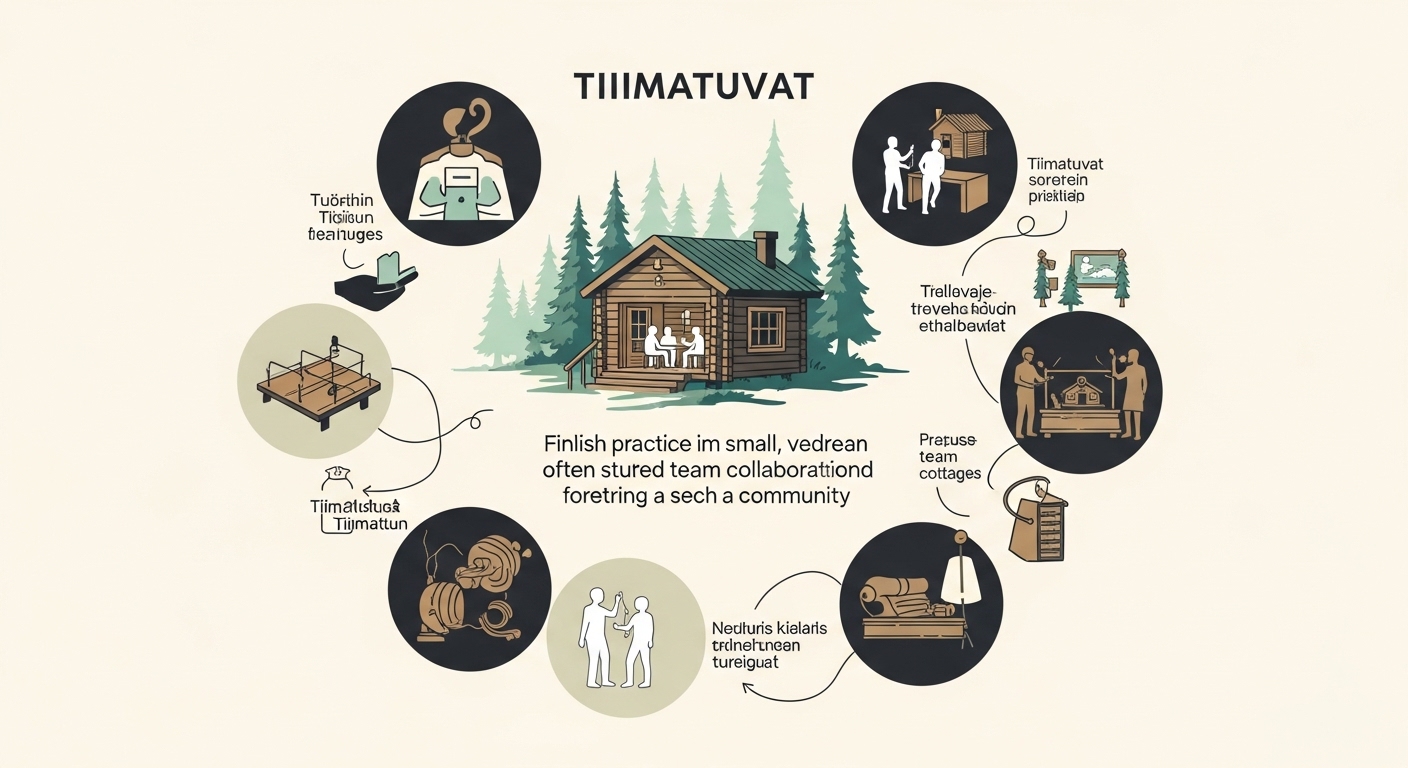
The word tiimatuvat reflects an interesting concept tied to teamwork, collaboration, and collective effort. Although it may not be widely recognized in global English, it appears to be derived from Finnish linguistic roots, where “tiimi” means “team”. In this context, tiimatuvat can be understood as a form or variation describing the act of forming teams, working together, or becoming organized as a group.
In today’s world, where collaboration is essential across industries, the idea behind tiimatuvat is more relevant than ever. Whether in business, education, or creative environments, the ability to work effectively as a team plays a crucial role in achieving success.
The Meaning of Tiimatuvat
Tiimatuvat can be interpreted as a verb-like expression that relates to the process of coming together as a team. It suggests cooperation, coordination, and shared effort toward a common goal.
Language often evolves to reflect social and professional trends, and words related to teamwork have become increasingly important. Tiimatuvat captures this idea by emphasizing not just the existence of a team, but the active process of forming and functioning as one.
The meaning goes beyond simple cooperation. It includes communication, trust, and mutual understanding among individuals. When people tiimatuvat, they align their efforts and work toward shared objectives.
Linguistic Origins of Tiimatuvat
The term tiimatuvat likely originates from the Finnish word “tiimi,” combined with a verb form that indicates action or transformation. Finnish language structures often create verbs that describe processes or changes, and tiimatuvat appears to follow this pattern.
Understanding its linguistic roots helps clarify its meaning. It is not just about being part of a team, but about becoming a team through interaction and cooperation.
Words like this demonstrate how language adapts to modern needs. As teamwork becomes more central to daily life, new expressions emerge to describe these experiences more precisely.
Tiimatuvat in Modern Work Environments
In modern workplaces, the concept behind tiimatuvat is highly relevant. Organizations rely on teamwork to complete projects, solve problems, and achieve goals. Employees are often required to collaborate across departments and share knowledge.
Effective teamwork involves more than just working side by side. It requires clear communication, defined roles, and mutual respect. When individuals tiimatuvat successfully, they create a productive and supportive environment.
Companies that encourage collaboration often see better results. Teams that function well can adapt to challenges more quickly and generate innovative ideas.
The Role of Tiimatuvat in Education
Education is another area where tiimatuvat plays an important role. Students are frequently asked to work in groups, complete joint assignments, and participate in collaborative learning activities.
These experiences help develop essential skills such as communication, problem-solving, and leadership. By working together, students learn how to share ideas and respect different perspectives.
Tiimatuvat in education is not just about completing tasks. It is about building relationships and learning how to function as part of a group. These skills are valuable in both academic and professional settings.
Social and Cultural Significance
The idea of tiimatuvat also reflects broader social values. Many cultures emphasize the importance of community and cooperation. Working together is often seen as more effective than working alone.
In Nordic cultures, including Finland, collaboration and equality are highly valued. The concept of tiimatuvat aligns with these principles by highlighting shared responsibility and collective effort.
Social interactions often depend on the ability to work well with others. Whether in families, communities, or organizations, teamwork helps create stronger connections and better outcomes.
Benefits of Tiimatuvat
The process of tiimatuvat offers several benefits. It allows individuals to combine their strengths and compensate for each other’s weaknesses. This leads to more balanced and effective results.
Collaboration also encourages creativity. When people share ideas, they can develop solutions that might not have been possible individually. Diverse perspectives often lead to better decision-making.
Another advantage is increased motivation. Working as part of a team can provide support and encouragement, making tasks feel more manageable and rewarding.
Challenges in Tiimatuvat
While teamwork has many advantages, it also comes with challenges. Differences in opinions, communication styles, and work habits can create conflicts within a group.
Successful tiimatuvat requires effort and understanding. Team members must be willing to listen, compromise, and adapt. Clear communication is essential to avoid misunderstandings.
Leadership also plays a key role. A strong leader can guide the team, resolve conflicts, and ensure that everyone remains focused on the goal.
Tiimatuvat in the Digital Age
The digital age has transformed the way people collaborate. Remote work, online communication, and digital tools have made it possible for teams to work together from different locations.
Tiimatuvat now often takes place in virtual environments. Video calls, shared documents, and project management tools allow teams to coordinate their efforts effectively.
However, digital collaboration also requires new skills. Team members must learn how to communicate clearly without face-to-face interaction and manage their time effectively.
The Future of Tiimatuvat
As technology continues to evolve, the concept of tiimatuvat will remain important. Collaboration will continue to be a key factor in success across various fields.
Future developments may introduce new ways of working together, such as advanced virtual environments or AI-assisted collaboration tools. These innovations will further enhance individuals’ ability to form and maintain effective teams.
Despite these changes, the core idea of tiimatuvat will remain the same. It will always involve people coming together to achieve shared goals.
Conclusion
Tiimatuvat is a term that reflects the essential human ability to collaborate and work as a team. Its roots in language and culture highlight the importance of cooperation in modern life.
From workplaces to educational settings and social environments, the concept plays a vital role in achieving success and building strong relationships. While challenges may arise, the benefits of teamwork far outweigh the difficulties.
Understanding tiimatuvat provides insight into how people connect, communicate, and create together. It serves as a reminder that collective effort often leads to better outcomes than individual work alone.