

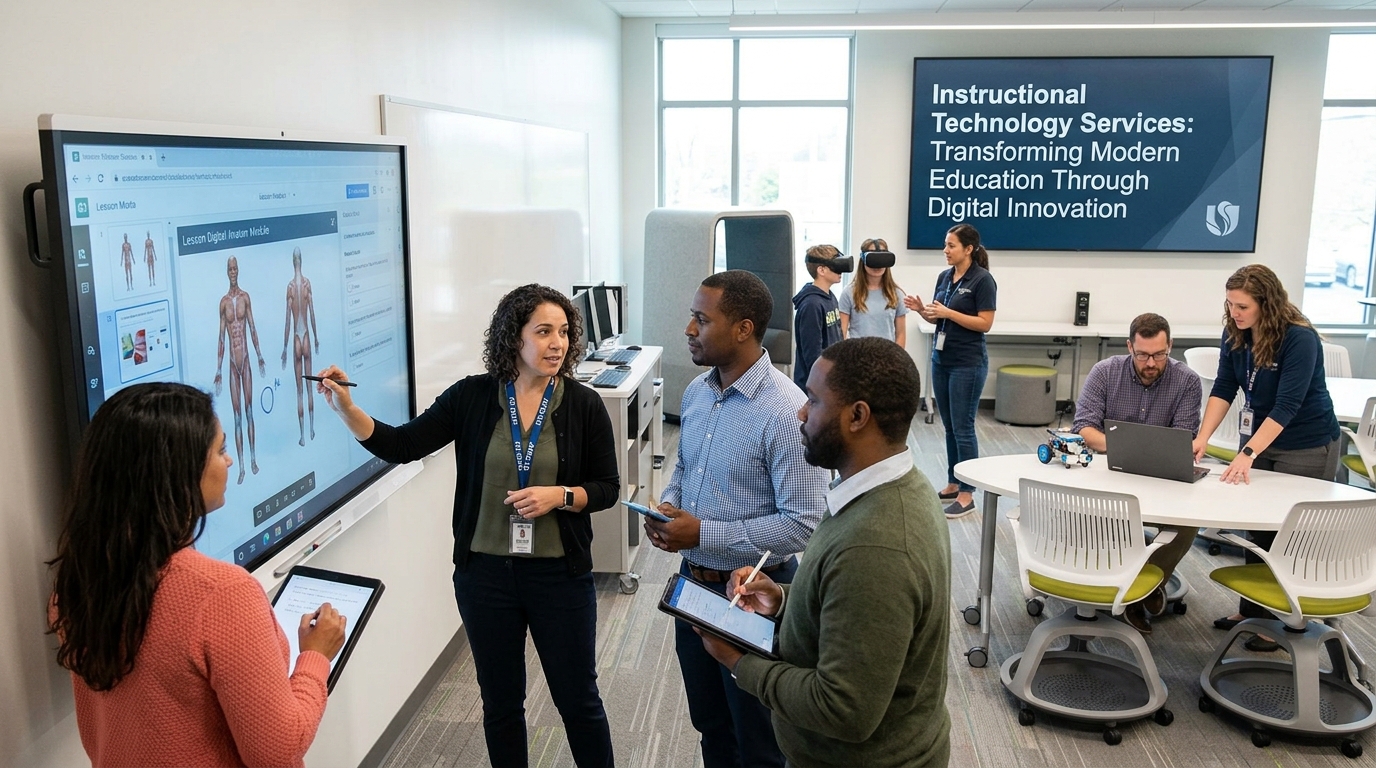
Instructional technology services have become an essential part of modern education and training environments. As schools, colleges, universities, and businesses continue to embrace digital learning, these services help educators and learners make the most of technology-driven solutions. From managing online learning platforms to providing technical support and digital learning resources, instructional technology services enhance the overall learning experience. They bridge the gap between traditional teaching methods and modern digital tools, making education more accessible, engaging, and effective. Organizations that invest in quality instructional technology services can improve learning outcomes, streamline educational processes, and support continuous innovation. Understanding the value of these services is important for anyone involved in education, training, or professional development in today’s technology-focused world.
What Are Instructional Technology Services?
Instructional technology services refer to the support systems, tools, and strategies used to integrate technology into teaching and learning processes. These services include learning management systems, digital content development, technical support, multimedia production, and educator training programs. Their primary goal is to enhance learning experiences through effective use of technology. Educational institutions rely on these services to create engaging digital environments that support both in-person and remote learning. By providing access to modern educational technologies, instructional technology services help educators design lessons that meet diverse learning needs. They also ensure that students have the resources necessary to participate successfully in technology-enhanced learning environments.
Importance of Instructional Technology Services in Education
The importance of instructional technology services continues to grow as educational institutions adopt more digital learning solutions. These services enable teachers to deliver content in innovative ways that improve student engagement and understanding. Through interactive tools, online collaboration platforms, and digital assessments, learners can participate more actively in the educational process. Instructional technology services also support flexible learning opportunities, allowing students to access materials anytime and anywhere. This flexibility is especially valuable for distance learning and hybrid education models. By supporting effective technology integration, these services contribute to improved academic performance, greater accessibility, and more personalized learning experiences for students across different educational settings.
Key Components of Instructional Technology Services
Several important components make technology services effective and valuable. Learning management systems provide centralized platforms for course delivery, communication, and assessment. Digital content creation tools help educators develop engaging learning materials, including videos, presentations, and interactive modules. Technical support services ensure that technology functions properly and that users receive assistance when challenges arise. Professional development programs train educators to use digital tools effectively in their teaching practices. Data analytics and reporting systems help institutions monitor learner progress and evaluate educational outcomes. Together, these components create a comprehensive support structure that enables successful technology integration and enhances the overall learning experience.
Benefits for Teachers and Educators
Instructional technology services offer numerous benefits for teachers and educators seeking to improve instructional effectiveness. These services provide access to tools that simplify lesson planning, content delivery, and student assessment. Educators can use digital platforms to organize course materials, communicate with students, and track academic progress more efficiently. Technology-driven resources also allow teachers to create interactive and personalized learning experiences that accommodate different learning styles. Professional development opportunities offered through instructional services help educators stay current with emerging technologies and teaching strategies. As a result, teachers can focus more on student learning while spending less time managing administrative tasks and technical challenges.
Enhancing Student Learning Experiences
One of the primary goals of instructional technology services is to improve student learning experiences. Digital learning tools provide opportunities for active participation, collaboration, and personalized instruction. Students can access multimedia resources, engage in virtual discussions, and complete interactive assignments that make learning more engaging. Instructional technology also support accessibility by offering tools designed for learners with different abilities and educational needs. Online learning environments encourage self-paced learning, allowing students to review materials and practice skills according to their individual progress. By creating more flexible and engaging educational experiences, these services help students develop critical thinking, problem-solving, and digital literacy skills.
Role in Online and Hybrid Learning
Online and hybrid learning models depend heavily on effective instructional technology services. These services provide the infrastructure needed to deliver courses, manage communication, and support virtual collaboration. Learning management systems serve as central hubs where students can access lessons, assignments, and assessments. Video conferencing tools enable real-time interaction between instructors and learners regardless of location. Technical support teams help resolve issues that may disrupt learning activities. Instructional technology services also assist educators in designing courses specifically for online and hybrid environments, ensuring that learning objectives are met effectively. Their role has become increasingly important as educational institutions expand flexible learning opportunities.
Challenges in Implementing Instructional Technology Services
Despite their many advantages, implementing instructional services can present several challenges. Budget limitations may restrict access to advanced technologies and support resources. Some educators and students may struggle with adopting new digital tools due to limited technical skills or resistance to change. Infrastructure issues such as unreliable internet connectivity can also affect the effectiveness of technology-enhanced learning. Data security and privacy concerns require careful management to protect sensitive information. To overcome these challenges, institutions must invest in ongoing training, reliable technology infrastructure, and comprehensive support systems. Addressing these obstacles ensures that instructional technology services deliver maximum value and positive educational outcomes.
Future Trends in Instructional Technology Services
The future of instructional technology is shaped by rapid advancements in educational technology and digital innovation. Artificial intelligence is expected to play a larger role in personalizing learning experiences and automating administrative tasks. Virtual reality and augmented reality technologies will create immersive learning environments that enhance engagement and understanding. Learning analytics will provide deeper insights into student performance and educational effectiveness. Mobile learning solutions will continue expanding access to educational resources across different devices. As technology evolves, instructional technology services will become even more sophisticated, helping institutions deliver innovative, efficient, and learner-centered educational experiences that meet the changing needs of students and educators.
Conclusion
Instructional technology services have become a cornerstone of modern education, supporting effective teaching, learning, and institutional success. By providing access to digital tools, technical support, professional development, and innovative learning solutions, these services help educators and students achieve better outcomes. Their impact extends across traditional classrooms, online learning environments, and hybrid educational models. Although challenges exist, continued investment in technology infrastructure and training can maximize their benefits. As emerging technologies continue to transform education, technology services will remain essential for creating engaging, accessible, and future-ready learning experiences that prepare learners for success in an increasingly digital world.