
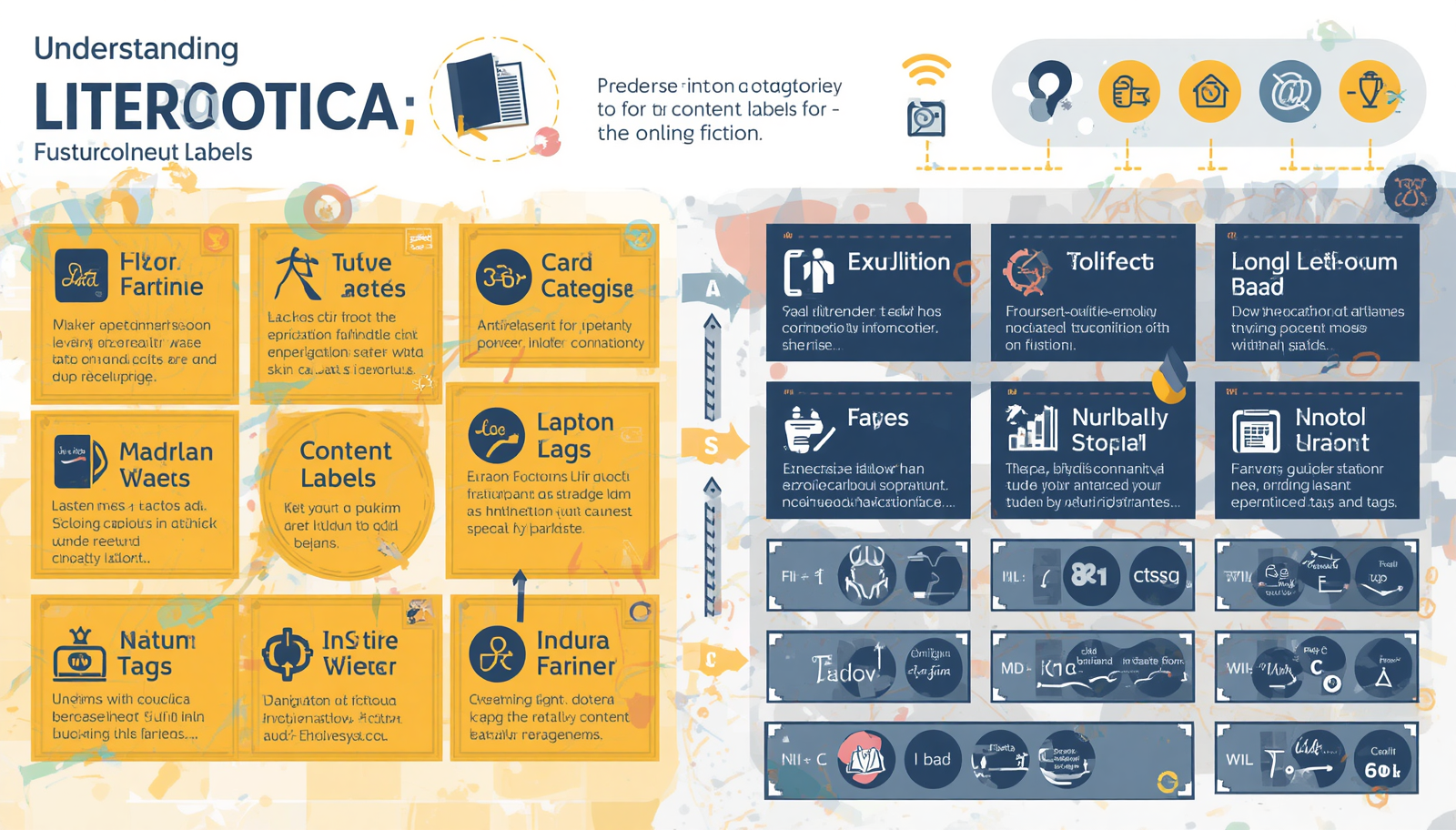
Online fiction platforms host thousands of stories covering a wide range of genres, themes, and writing styles. As these libraries continue to grow, readers need efficient ways to find content that matches their interests while avoiding material they do not wish to read. This is where literotica tags and other content-labeling systems become important. Tags act as organizational tools that help classify stories according to themes, genres, characters, settings, and other relevant attributes. Whether someone is a new reader exploring online fiction or an experienced user searching for specific topics, understanding how tagging systems work can greatly improve the reading experience. This article explores the purpose, benefits, and best practices of using literotica tags in online storytelling communities from an educational and informational perspective.
What Are Literotica Tags?
Literotica tags are descriptive labels attached to stories to help categorize and organize content. Similar to hashtags on social media, tags provide quick information about a story’s themes, style, or subject matter. Readers can use these labels to identify stories that align with their interests while writers use them to help audiences discover their work. A tagging system creates structure within large content libraries and improves searchability. Without tags, users would need to rely solely on titles or descriptions, which may not provide enough information. Effective tagging makes browsing easier and supports a more personalized reading experience for users across different fiction communities.
Why Content Tags Matter in Online Fiction
Content tags play a crucial role in helping readers make informed decisions about what they choose to read. Online fiction platforms often contain thousands of stories, making navigation difficult without proper categorization. Tags help reduce confusion by clearly identifying major themes and story elements. They also improve user satisfaction because readers can quickly locate content that matches their preferences. From a platform perspective, tags contribute to better organization and search functionality. Writers benefit as well because accurate tags increase visibility and help stories reach the right audience. In many ways, tags serve as a bridge between creators and readers, improving the overall experience for everyone involved.
How Readers Use Tags to Discover Stories
Readers frequently rely on tags as a shortcut to finding relevant content. Instead of scrolling through endless pages of stories, users can search for specific themes or categories that interest them. This targeted approach saves time and creates a more enjoyable browsing experience. Tags also help readers avoid content they may not want to encounter. Many modern platforms allow filtering based on tags, giving users greater control over their reading environment. For newcomers, tags provide valuable context before opening a story. By understanding what tags represent, readers can make more informed choices and discover content that aligns with their interests and expectations.
How Writers Benefit from Accurate Tagging
For writers, tagging is an important part of publishing content online. Well-chosen tags improve discoverability and increase the likelihood that readers will find a story through search or category browsing. Accurate tags also help establish trust with readers by setting appropriate expectations. When a story is labeled correctly, readers are more likely to engage positively because they know what type of content to expect. Poor tagging, on the other hand, can lead to misunderstandings and negative feedback. Successful writers often treat tagging as part of their content strategy, carefully selecting labels that reflect the themes, tone, and structure of their work.
Common Categories Used in Tagging Systems
Most fiction platforms organize stories using broad categories and more specific tags. Categories may identify general genres such as romance, mystery, science fiction, fantasy, drama, or adventure. Additional tags provide greater detail about settings, character types, storytelling styles, or plot elements. This layered approach helps users narrow their searches and discover stories that match their preferences. For example, a reader interested in fantasy may use additional tags related to magical worlds, heroic journeys, or supernatural themes. The combination of categories and tags creates a flexible system that accommodates both broad exploration and highly targeted searches.
Best Practices for Using Tags Effectively
Effective tagging requires accuracy, relevance, and moderation. Writers should select tags that genuinely reflect the content of their stories rather than choosing popular labels simply to attract attention. Over-tagging can make a story appear misleading, while under-tagging may reduce visibility. Readers also benefit when tags are used consistently across a platform. A good practice is to focus on the most important themes, settings, and narrative elements that define the story. Clear and honest tagging improves trust between writers and readers while making the platform more organized and user-friendly.
The Impact of Tags on Search and SEO
Tags contribute significantly to content discovery both within platforms and through search engines. Many websites use tags to organize pages, create category archives, and improve navigation. Search engines can better understand content when it is structured with relevant labels and metadata. From an SEO perspective, tags help connect related pieces of content and improve internal linking opportunities. However, effective SEO depends on quality content rather than excessive tagging. The best results occur when tags accurately support the subject matter of the story and enhance the overall user experience.
Challenges Associated with Tagging Systems
Although tagging systems offer many benefits, they also present challenges. Different users may interpret the same tag in different ways, leading to inconsistencies. Some writers may use tags inaccurately, either intentionally or unintentionally, which can create confusion for readers. Large platforms may also face difficulties maintaining standardized tagging practices across thousands of contributors. To address these issues, many communities establish guidelines and moderation policies. Continuous improvement of tagging systems helps maintain accuracy, transparency, and usability while ensuring that readers can trust the information provided by tags.
The Future of Story Tagging and Content Discovery
As technology evolves, tagging systems are becoming more advanced. Artificial intelligence and machine learning tools can assist with content categorization, helping platforms recommend stories more effectively. Personalized recommendation systems increasingly rely on tags to understand user preferences and deliver relevant content. Future developments may include smarter filtering options, automated tagging assistance, and enhanced search capabilities. Despite these innovations, the core purpose of tagging remains the same: helping readers discover content efficiently and helping writers connect with their intended audience. Tags will likely continue to play a central role in the organization of online fiction communities.
Conclusion
Literotica tags and similar content-labeling systems are valuable tools for organizing and navigating large collections of online fiction. They help readers discover stories that match their interests while providing important context about content themes and categories. For writers, accurate tagging improves visibility, builds trust, and supports audience engagement. Although tagging systems face challenges such as inconsistency and misuse, they remain an essential part of modern digital publishing. As online storytelling communities continue to grow, effective tagging will become even more important for content discovery and user satisfaction. Understanding how tags work allows both readers and writers to make better use of online fiction platforms and contribute to a more organized, accessible, and enjoyable reading environment.