

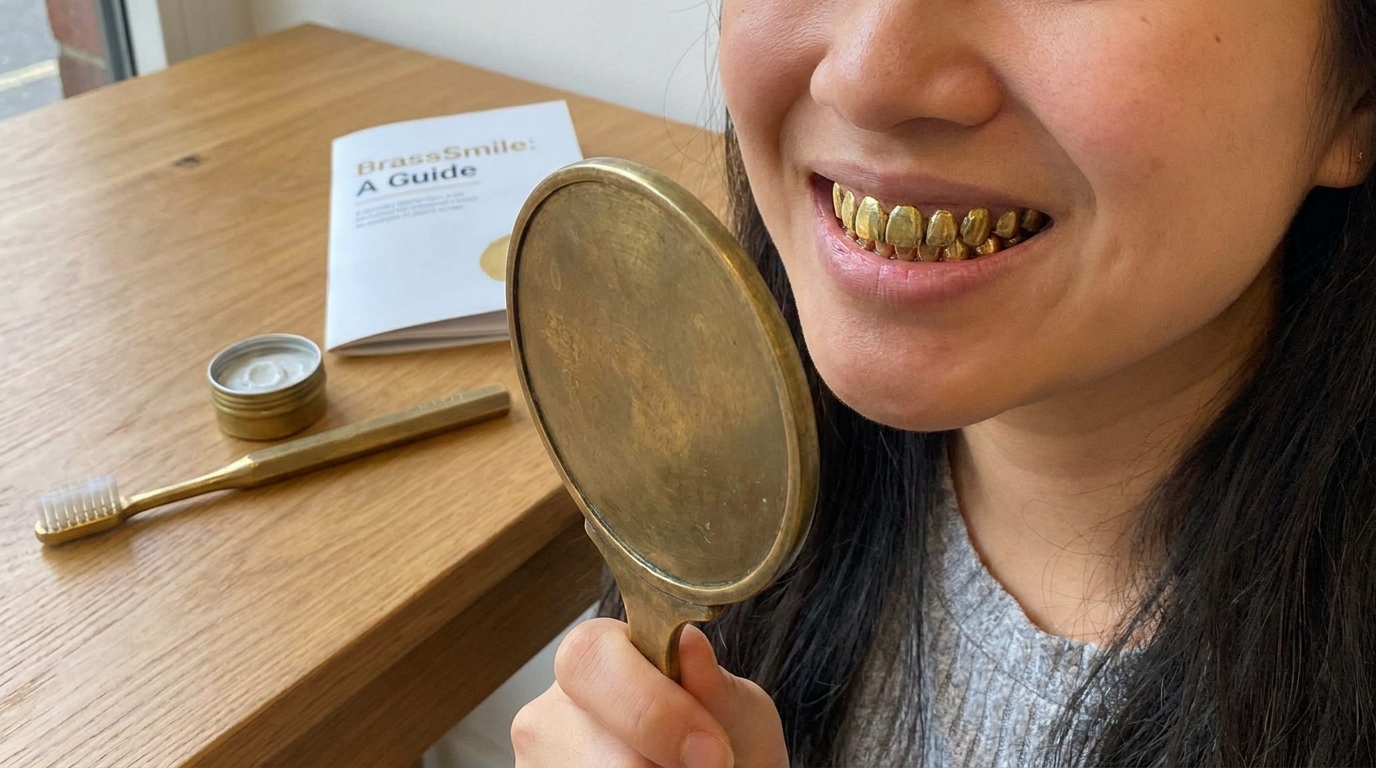
There is a quiet frustration shared by millions of people around the world: the moment you look at a photograph of yourself and notice that your smile — despite your best brushing habits — looks dull, warm, and undeniably yellow. You are not imagining it. What you are likely seeing is a condition that dental enthusiasts and oral care communities increasingly refer to as a BrassSmile — and it is one of the most common, yet least discussed, issues in everyday dental health.
The term BrassSmile has gained significant traction online in recent years. It is both a descriptor for a specific type of tooth discoloration and, increasingly, the name of a growing digital platform and brand ecosystem dedicated to helping people understand, address, and prevent this issue. Whether you have stumbled across the term through social media, a dental blog, or a search engine, this guide will walk you through everything: what BrassSmile actually means, why it happens, how to treat it effectively, and what the BrassSmile platform offers those seeking reliable oral care guidance.
What Is BrassSmile? The Dental Condition Explained
The word “brassy” is borrowed from the world of hair coloring, where it describes the unwanted warm, orange-yellow tones that appear after bleaching or chemical treatments. Applied to teeth, a BrassSmile refers to a smile that has developed a yellowish, golden, or dull warm tone — one that makes teeth look stained or aged even when the person maintains regular oral hygiene.
The key to understanding this condition lies in tooth anatomy. Human teeth are not a single uniform material. The outer layer — the enamel — is semi-translucent and relatively colorless. Beneath it sits the dentin, a naturally yellow or amber-colored layer that makes up the bulk of each tooth. The color you actually see when you look at your teeth is a combination of both layers: the enamel on the surface filters and modifies how the dentin beneath appears to the eye.
When enamel is thick, healthy, and intact, it masks much of the dentin’s warmth, and teeth appear whiter or more neutral. When enamel thins — whether from age, acid erosion, or other factors — the dentin’s yellow warmth bleeds through more visibly. The result is that characteristic brassy, golden tone that defines a BrassSmile.
Importantly, having a BrassSmile does not necessarily mean your teeth are unhealthy. It is primarily an aesthetic concern, though it can be an indicator of enamel wear that warrants attention from a dental professional.
The Most Common Causes of Brassy Teeth
Understanding the causes of a BrassSmile is the first step toward addressing it effectively. Several everyday factors contribute to this condition, many of which are deeply embedded in routine habits.
Diet and Staining Beverages
Coffee, tea, red wine, and cola are the most well-known culprits behind tooth discoloration. These beverages contain natural compounds called tannins and chromogens — pigment-heavy molecules that bond aggressively to tooth enamel over time. Interestingly, research suggests that black tea can stain teeth more intensely than coffee, thanks to its particularly high tannin concentration. Even health-forward drinks like matcha, pomegranate juice, and balsamic vinegar carry strong pigments that accumulate gradually on the tooth surface.
Enamel Erosion from Acidic Foods
Citrus fruits, fizzy drinks, vinegar-based dressings, and even sparkling water have acidic profiles that can wear down enamel over time. As the enamel layer becomes thinner through repeated acid exposure, the yellow dentin beneath becomes increasingly visible. This form of enamel erosion is particularly insidious because it happens slowly and painlessly — until the discoloration becomes visually apparent.
Tobacco Use
Nicotine and tar from cigarettes are among the most aggressive contributors to tooth discoloration. These substances create stubborn, deep-set stains that penetrate well below the surface of the enamel, making them particularly resistant to standard whitening toothpastes or surface-level treatments. Pipe tobacco and smokeless tobacco products carry similar risks.
Natural Aging
As the body ages, enamel naturally thins and the dentin inside teeth gradually darkens. This process is entirely normal but results in a steady shift in tooth color toward warmer, yellower tones. This is why many older adults notice their teeth looking brassier even without significant changes to their diet or hygiene routine.
Certain Medications
Some medications are known to cause intrinsic tooth discoloration — meaning they stain from the inside out, not just on the surface. Tetracycline antibiotics are the most well-documented example, particularly when taken during childhood while teeth are still developing. Certain antihistamines, antipsychotics, and blood pressure medications have also been associated with tooth discoloration in some cases.
Poor or Inconsistent Oral Hygiene
Inadequate brushing, infrequent flossing, and skipping professional cleanings allow plaque and tartar to accumulate. Over time, these deposits contribute directly to surface staining and dullness. The longer stains sit on the enamel without removal, the deeper they penetrate and the harder they become to treat.
How to Identify a BrassSmile
Identifying whether you have a BrassSmile is straightforward. The following signs are the most reliable indicators:
Your teeth appear distinctly yellow or golden-toned, especially near the gumline. Standard whitening toothpastes produce little to no visible improvement. In photographs or under natural daylight, your smile appears darker or more discolored than it does in artificial indoor lighting. Even immediately after brushing, your teeth have a warm rather than neutral or cool white appearance. The discoloration tends to be more pronounced on certain teeth, particularly the front incisors or upper molars.
A simple home test: hold a plain white sheet of paper next to your mouth in natural daylight. Compare your teeth to the paper. If the contrast is striking — if your teeth look noticeably yellow or golden by comparison — you are likely dealing with some degree of BrassSmile.
Treatment Options: From Home Remedies to Professional Interventions
One of the most valuable things people seek when they search for “BrassSmile” information is honest, practical guidance on what actually works. Here is a breakdown of the treatment landscape.
Whitening Toothpastes
Whitening toothpastes are widely available and affordable. They typically work through mild abrasives and sometimes low concentrations of hydrogen peroxide or baking soda. For light, surface-level staining, they can be effective. However, they have real limitations: they cannot address intrinsic staining or deep discoloration caused by enamel thinning.
Whitening Strips
Over-the-counter whitening strips are a step up from whitening toothpaste. They contain higher concentrations of hydrogen peroxide (typically 6–14%) and sit against the teeth for a set period. Their primary limitations are uneven coverage — most strips only contact the flat front surfaces of teeth — and sensitivity, particularly for people with thinner enamel or exposed root surfaces.
LED-Accelerated At-Home Whitening Kits
One of the most talked-about developments in consumer dental care is the LED-accelerated whitening kit. These systems — prominently featured by the BrassSmile brand — combine a whitening gel (typically containing hydrogen peroxide or carbamide peroxide) with an LED mouthpiece that activates the gel’s bleaching compounds.
The science behind LED acceleration is well-established: blue-spectrum LED light triggers a photochemical reaction in peroxide-based gels, accelerating the release of oxygen molecules that break apart stain compounds at the molecular level. The result is faster, more even whitening compared to gel-only applications.
The BrassSmile at-home kit, in particular, has drawn attention for its design approach. The system includes pre-filled gel syringes for precise, waste-free application and a medical-grade silicone mouthpiece designed to fit all mouth types comfortably. Unlike strips that cover only the front face of teeth, the tray-and-gel design of this system coats the full visible surface of each tooth, resulting in more comprehensive coverage.
Professional In-Office Whitening
For more severe or deeply set discoloration, in-office whitening remains the gold standard. Dentists use highly concentrated hydrogen peroxide gels — far stronger than anything available for consumer purchase — often activated by professional-grade light or laser technology. A single session can brighten teeth by several shades. The cost varies but typically runs between $300 and $1,000 per session in the United States.
Veneers and Cosmetic Dentistry
In cases where intrinsic staining is severe or where enamel damage is significant, cosmetic solutions like porcelain veneers may be the most appropriate long-term answer. Veneers are thin shells of dental-grade ceramic bonded to the front surface of teeth, effectively masking discoloration, chips, and alignment issues. They are durable, natural-looking, and permanent — but also represent a significant financial investment.
BrassSmile: The Platform and Brand Ecosystem
Beyond describing a dental condition, BrassSmile has evolved into something broader: a digital platform dedicated to smile health education and consumer guidance.
The BrassSmile platform (found at brasssmile.io and related domains) positions itself as an educational resource for everyday people navigating the sometimes confusing world of oral care and cosmetic dentistry. Unlike generic health websites that cover dental topics superficially, BrassSmile focuses exclusively on the mouth, teeth, gums, whitening, cosmetic procedures, oral hygiene habits, and the role emerging technology is playing in how people plan and achieve their ideal smiles.
What distinguishes the platform from a typical dental product website is its declared commitment to consumer education rather than pure commerce. The platform makes clear that it does not replace professional dental advice — it is not a clinic — but it equips readers with the knowledge to make more informed decisions when they do consult a dentist or evaluate a product on the market.
In 2026, the platform also introduced AI-powered tools — including a Smile Analysis feature and a Smile Enhancer — that allow users to visualize potential improvements to their teeth before committing to any treatment. These tools reflect a broader trend in the dental and beauty industries: the integration of artificial intelligence into personal health planning.
The Role of AI and Technology in Modern Smile Care
The BrassSmile platform’s integration of AI tools is part of a much larger shift in how consumers engage with oral health. Digital smile simulation — the ability to see a preview of what your teeth might look like after whitening or cosmetic treatment — has moved from the dentist’s office into the consumer’s smartphone.
These tools carry genuine value. Many people hesitate to pursue whitening or cosmetic treatment because they are uncertain whether the results will meet their expectations or suit their appearance. Visual simulation tools reduce that uncertainty, giving users a more grounded basis for decision-making.
Additionally, the rise of AI-assisted dental platforms signals a democratization of dental knowledge. For much of the past century, dental information was gatekept behind professional consultations and clinical settings. Digital platforms like BrassSmile open that knowledge to anyone with an internet connection — a development with particular significance in regions where access to dental professionals is limited or expensive.
Prevention: Keeping Your Smile Bright Long-Term
Treating a BrassSmile is valuable, but preventing it from returning — or developing in the first place — requires ongoing habit changes. The following strategies are among the most effective:
Rinsing your mouth with water immediately after consuming staining beverages significantly reduces the time those pigments have to bond with enamel. Drinking coffee or tea through a straw limits direct contact between the beverage and your teeth. Maintaining consistent brushing (twice daily with a soft-bristle brush), regular flossing, and professional cleanings every six months removes surface stains before they deepen. Avoiding tobacco entirely eliminates one of the most aggressive staining agents altogether. And choosing toothpastes that contain ingredients like hydroxyapatite — which research suggests can help remineralize and strengthen enamel — provides longer-term protection rather than just cosmetic benefit.
Who Should Be Concerned About BrassSmile?
BrassSmile is a concern that cuts across age groups, demographics, and dental histories. Young adults who drink coffee or tea daily and older adults experiencing natural enamel thinning are both susceptible. People who have completed orthodontic treatment, those returning to oral care after a period of neglect, and anyone preparing for a significant life event, such as a wedding or job interview, are particularly motivated to address it.
The BrassSmile platform’s growing audience reflects this diversity: first-time whitening users seeking honest guidance before purchasing a product, experienced whitening users frustrated by inconsistent or fading results, and individuals researching more significant cosmetic options like veneers or bonding all represent significant portions of the community it serves.
Conclusion
A BrassSmile is one of the most relatable cosmetic concerns in modern dental health — common enough to affect millions, visible enough to impact daily confidence, and addressable enough that with the right knowledge and tools, most people can significantly improve their situation.
Whether you approach the topic as a dental condition to treat or as an entry point into the BrassSmile platform’s broader educational ecosystem, the most important takeaway is the same: understanding the cause of your discoloration shapes the solution. Surface stains respond well to at-home whitening products, particularly LED-accelerated systems with good coverage. Deeper or intrinsic staining may require professional intervention. And long-term maintenance — through consistent hygiene, smart dietary habits, and informed product choices — is what turns a temporary improvement into a lasting one.
In a world where a confident smile carries real social and professional weight, the knowledge that a BrassSmile is both understandable and fixable is genuinely empowering. Your teeth are telling a story. With the right information, you get to decide how that story develops.
This article is for informational purposes only and does not constitute professional dental or medical advice. Consult a licensed dentist for personalized guidance on your oral health.