

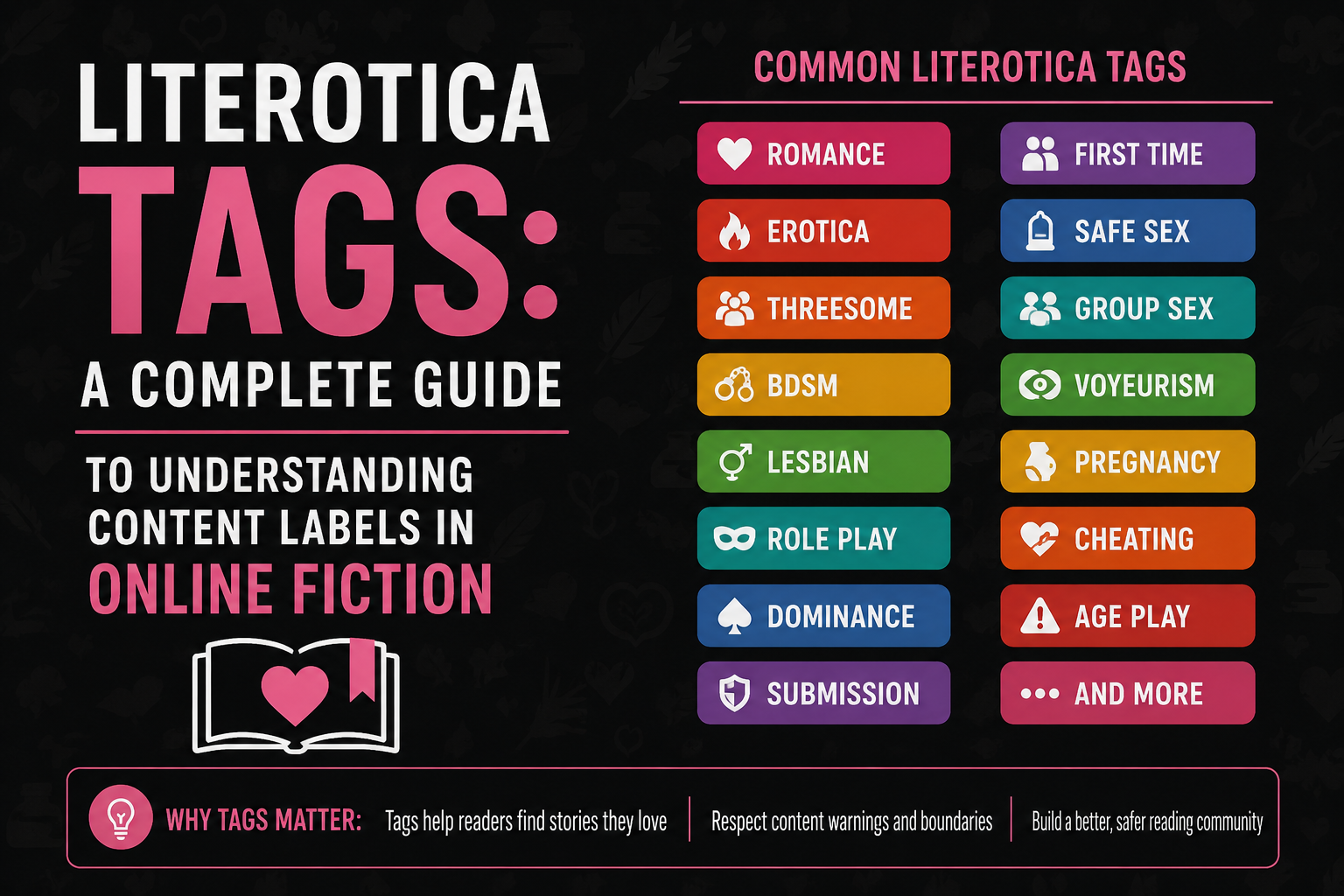
Literotica tags play an important role in helping readers navigate online fiction platforms efficiently. These tags act as content labels that describe themes, genres, characters, story elements, and other important aspects of a story. Whether someone is new to online storytelling communities or a regular reader, understanding how tags work can significantly improve the reading experience. Proper tagging allows users to discover stories that match their interests while helping writers reach their intended audience. As digital fiction platforms continue to grow, the use of accurate and descriptive tags has become increasingly important. This guide explores the purpose, benefits, and best practices of Literotica tags, helping both readers and writers understand how these content labels contribute to a better and more organized storytelling environment.
What Are Literotica Tags?
Literotica tags are descriptive labels used to categorize and identify specific elements within online stories. These tags provide readers with quick information about the content before they begin reading. Instead of relying solely on titles or summaries, users can review tags to understand the themes, settings, character types, and storytelling styles featured in a work. Tags make large collections of stories easier to browse and organize. For writers, they serve as a useful tool for accurately presenting their content to the intended audience. By offering clear descriptions, tags improve content discovery and help readers make informed choices when selecting stories that match their preferences and interests.
Why Tags Are Important for Readers
Readers benefit greatly from the use of Literotica tags because they save time and improve content discovery. With thousands of stories available on many fiction platforms, searching manually can be difficult and overwhelming. Tags simplify the process by grouping stories according to common themes and characteristics. Readers can quickly identify stories that align with their interests while avoiding content they may not wish to read. This filtering system creates a more personalized reading experience and increases user satisfaction. Additionally, tags provide transparency by giving readers a clearer understanding of what to expect from a story, helping them choose content that matches their preferences and reading goals.
How Writers Use Literotica Tags
Writers use Literotica tags to accurately describe their stories and improve visibility on fiction platforms. Effective tagging helps authors connect their work with readers who are searching for specific themes or genres. When tags are chosen carefully, stories are more likely to appear in relevant searches and recommendations. This can lead to increased readership and better engagement. Writers also use tags to set expectations and communicate important story elements before readers begin. Proper tagging demonstrates professionalism and consideration for the audience. By selecting relevant and accurate tags, authors can improve discoverability while ensuring that readers find content that genuinely matches their interests.
Common Categories of Literotica Tags
Literotica tags often fall into several broad categories that help organize stories effectively. Some tags describe genres, such as romance, fantasy, science fiction, or mystery. Others focus on character types, relationships, settings, or storytelling styles. Additional tags may highlight themes such as adventure, drama, humor, or emotional development. These categories allow readers to narrow their searches and explore stories that fit their specific interests. The variety of available tags reflects the diversity of content found on fiction platforms. By combining multiple tags, writers can create a detailed description of their stories, making it easier for readers to discover content that aligns with their expectations.
How Tags Improve Search and Discovery
Search and discovery are among the biggest advantages of using Literotica tags. Modern fiction platforms rely heavily on tagging systems to organize large amounts of content. When readers enter search terms or browse categories, tags help determine which stories appear in the results. Accurate tags increase the likelihood that a story will reach the right audience. They also support recommendation systems by identifying similarities between different works. As a result, readers can discover new stories and authors more easily. Effective tagging enhances the overall user experience by making content more accessible and reducing the time needed to find relevant and enjoyable reading material.
Best Practices for Using Literotica Tags
Using Literotica tags effectively requires accuracy, relevance, and moderation. Writers should select tags that genuinely reflect the content of their stories rather than choosing popular labels solely to attract attention. Misleading tags can disappoint readers and reduce trust. It is also important to avoid excessive tagging, as too many labels can create confusion and dilute the effectiveness of the tagging system. Authors should focus on the most significant themes, genres, and story elements. Regularly reviewing platform guidelines can help ensure compliance with community standards. Following these best practices allows writers to improve discoverability while maintaining a positive and transparent relationship with readers.
Common Mistakes to Avoid When Tagging Stories
Many writers make mistakes when using Literotica tags, often reducing the effectiveness of their content strategy. One common error is selecting tags that do not accurately represent the story. This can lead to reader dissatisfaction and negative feedback. Another mistake is using too many tags, which can overwhelm readers and make the story appear unfocused. Some authors also overlook important themes that should be included, limiting discoverability. Failing to update tags when revising a story is another issue that can create confusion. By avoiding these mistakes and focusing on accuracy and relevance, writers can create a better experience for readers and improve story performance.
The Future of Tagging in Online Fiction
The role of tagging in online fiction is expected to grow as digital publishing platforms become more sophisticated. Advanced search systems, personalized recommendations, and artificial intelligence technologies increasingly rely on accurate metadata, including tags. Future platforms may offer smarter tagging suggestions and more detailed categorization options to improve content organization. Readers will benefit from enhanced discovery tools that help them find stories matching their unique interests. Writers, meanwhile, will gain new opportunities to connect with targeted audiences. As technology continues to evolve, Literotica tags and similar content-labeling systems will remain essential components of the online storytelling experience, supporting both accessibility and user satisfaction.
Conclusion
Literotica tags are a valuable tool that enhances the experience of both readers and writers in online fiction communities. They provide clear content descriptions, improve searchability, support story discovery, and help users find material that aligns with their interests. For writers, accurate tagging increases visibility and strengthens communication with readers. For audiences, tags create a more efficient and enjoyable browsing experience. As digital storytelling continues to expand, the importance of effective tagging will only increase. Understanding how Literotica tags work and applying them correctly can contribute to a more organized, transparent, and engaging online fiction environment for everyone involved.