

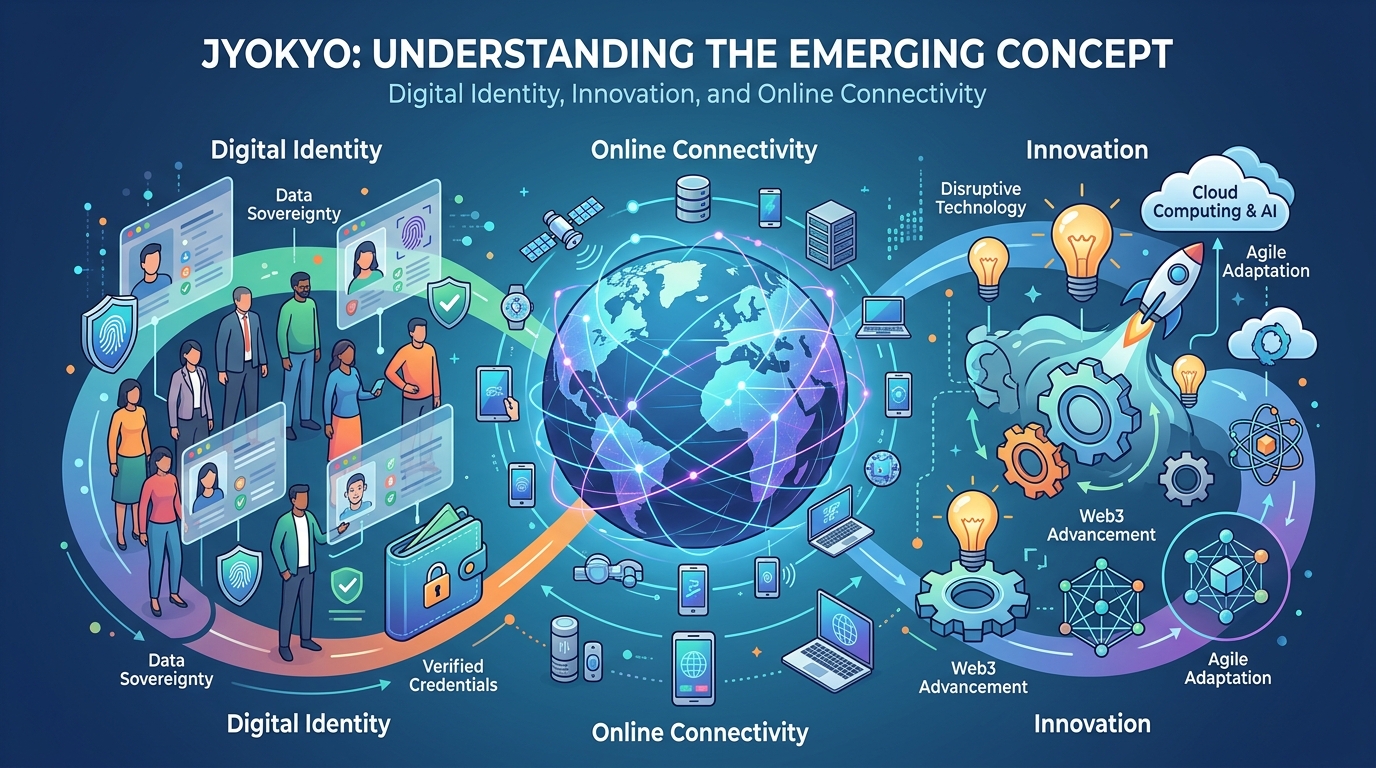
The term Jyokyo is gradually gaining recognition in digital discussions, creative innovation, and online transformation. Although relatively new in mainstream conversations, Jyokyo represents a concept associated with modern connectivity, technological flexibility, and evolving digital interaction. In recent years, internet culture has continuously introduced fresh ideas that redefine communication, business strategies, entertainment platforms, and online experiences. Within this changing environment, Jyokyo has started to symbolize adaptability and creative progress in the digital era.
Modern technology evolves at an extraordinary speed, influencing how individuals interact with platforms, communities, and information systems. Jyokyo reflects this transformation by representing a framework of creativity, innovation, and digital adaptability. Businesses, developers, and online creators are constantly searching for methods to strengthen audience engagement, improve communication, and establish meaningful digital experiences. In this context, Jyokyo becomes increasingly important because it aligns with the modern demand for flexible and user-centered digital environments.
The digital world now revolves around accessibility, intelligent systems, cloud integration, and personalized experiences. Jyokyo fits naturally into this ecosystem because it promotes innovation while maintaining a balance between functionality and simplicity. As internet technologies continue expanding into education, healthcare, marketing, and entertainment, the significance of concepts like Jyokyo becomes more noticeable.
The Meaning and Evolution of Jyo kyo
Jyokyo can be understood as a modern digital philosophy focused on adaptability, interaction, and intelligent communication. The rise of artificial intelligence, automation, and decentralized systems has encouraged individuals and businesses to adopt new approaches to online engagement. Jyokyo represents the broader transition from traditional static systems toward more responsive and dynamic environments.
In earlier stages of internet development, websites and platforms mainly delivered one-way communication. Users could consume information but had limited opportunities for interaction. Over time, social media platforms, cloud systems, and collaborative technologies transformed the digital experience into something far more interactive. Jyokyo symbolizes this transition by emphasizing participation, innovation, and continuous evolution.
The growth of digital ecosystems has also increased the need for flexibility. Organizations now operate across multiple devices, applications, and global networks. This shift requires systems capable of adapting quickly to user expectations and technological changes. Jyokyo reflects this demand by encouraging scalable and intelligent solutions that support both creativity and efficiency.
Table: Evolution of Digital Interaction Related to Jyokyo
| Digital Era | Characteristics | Relation to Jyokyo |
|---|---|---|
| Early Internet Age | Static websites and limited interaction | Foundation of digital communication |
| Social Media Expansion | Interactive communities and content sharing | Increased online engagement |
| Cloud Technology Era | Flexible and remote accessibility | Improved scalability and adaptability |
| AI and Automation Age | Intelligent systems and personalization | Core technological alignment |
| Future Digital Ecosystems | Immersive and connected experiences | Long-term innovation potential |
Jyokyo and Modern Technology
Technology has become the central force behind global communication and economic development. Jyokyo aligns with technological progress because it encourages smarter systems and user-oriented innovation. Companies today prioritize digital transformation to remain competitive in fast-changing markets. The integration of advanced technologies such as artificial intelligence, machine learning, blockchain, and cloud computing reflects the same adaptive principles associated with Jyokyo.
Artificial intelligence has transformed customer service, healthcare diagnostics, content generation, and online recommendations. Businesses now use intelligent algorithms to analyze consumer behavior and deliver personalized experiences. Jyokyo supports this technological direction by emphasizing efficiency, automation, and responsive digital environments.
Cloud computing has also contributed significantly to the expansion of modern online ecosystems. Organizations no longer depend entirely on physical infrastructure because cloud-based systems offer scalability, security, and accessibility. Jyokyo complements this development by promoting flexible solutions that can evolve alongside user needs and technological changes.
Another important technological area connected to Jyokyo is cybersecurity. As digital networks expand, protecting sensitive data becomes increasingly important. Modern platforms must ensure privacy, security, and trust while maintaining smooth user experiences. Jyokyo encourages innovation that balances technological advancement with responsible digital practices.
The Role of Jyokyo in Digital Communication
Communication has experienced a major transformation during the digital age. Traditional communication methods have gradually been replaced by instant messaging, video conferencing, collaborative platforms, and interactive social media systems. Jyokyo represents the evolution of communication toward more intelligent and user-focused interaction.
Businesses now rely heavily on digital communication strategies to connect with customers and maintain brand visibility. Online platforms allow organizations to communicate globally in real time. Jyokyo contributes to this process by encouraging communication systems that are efficient, accessible, and engaging.
The rise of remote work has also increased the importance of digital communication tools. Employees and organizations require reliable platforms that support collaboration regardless of geographic location. Jyokyo aligns with these needs by promoting adaptive technologies capable of supporting flexible working environments.
Social media platforms further demonstrate the relevance of Jyokyo in modern communication. Content creators, influencers, and businesses interact directly with audiences through live sessions, personalized messaging, and interactive media. This shift toward engagement-driven communication reflects the broader principles associated with Jyokyo.
Table: Communication Trends Influenced by Jyokyo
| Communication Method | Traditional Approach | Modern Digital Approach |
|---|---|---|
| Business Meetings | Physical offices | Virtual collaboration platforms |
| Customer Support | Phone and email | AI chat systems and live support |
| Marketing | Print advertising | Interactive social campaigns |
| Education | Classroom learning | Online and hybrid learning systems |
| Networking | Local interactions | Global digital communities |
Jyokyo in Business Innovation
Modern businesses constantly seek innovative strategies to remain competitive in global markets. Jyokyo supports business innovation by encouraging digital adaptability and customer-focused development. Companies that successfully embrace technological transformation often achieve greater efficiency, stronger customer relationships, and improved operational performance.
Digital marketing has become one of the most influential aspects of business growth. Organizations use data analytics, targeted advertising, and social engagement to expand their reach and improve customer satisfaction. Jyokyo supports these efforts by emphasizing intelligent communication and responsive digital strategies.
E-commerce platforms also reflect the growing influence of digital transformation. Consumers now prefer convenient online shopping experiences that provide personalization, fast delivery, and secure payment systems. Jyokyo aligns with these expectations because it promotes seamless interaction and efficient technological integration.
Startups and emerging businesses particularly benefit from concepts associated with Jyokyo. Smaller organizations often require scalable solutions that can grow alongside their operations. Flexible digital systems allow these companies to compete effectively without requiring excessive infrastructure investments.
Educational Transformation Through Jyokyo
Education has undergone significant changes due to digital technology and online learning systems. Jyokyo contributes to educational transformation by supporting accessibility, collaboration, and personalized learning experiences. Modern students now have access to global educational resources through digital platforms and interactive technologies.
Online learning environments became especially important during periods when remote education was necessary. Educational institutions adopted virtual classrooms, digital assessments, and cloud-based learning systems to maintain continuity. Jyokyo reflects these developments because it encourages adaptive educational technologies capable of supporting diverse learning needs.
Artificial intelligence is also reshaping educational methods by enabling personalized learning experiences. Intelligent systems can analyze student performance and recommend customized learning materials. Jyokyo aligns with this approach because it prioritizes user-centered innovation and technological responsiveness.
Educational collaboration has become easier through digital communication tools and shared online platforms. Students and teachers can now interact across geographic boundaries, creating more inclusive and globally connected learning environments. Jyokyo supports this global educational expansion by promoting accessible and interactive digital ecosystems.
The Creative Influence of Jyokyo
Creativity and technology are increasingly interconnected in the modern digital world. Jyokyo represents the fusion of innovation, artistic expression, and technological advancement. Content creators, designers, developers, and digital artists now use advanced tools to produce immersive and engaging experiences.
The entertainment industry provides a strong example of how digital creativity continues evolving. Streaming services, interactive gaming platforms, and virtual experiences demonstrate the growing demand for innovative content. Jyokyo aligns with this creative evolution by supporting dynamic and adaptable digital experiences.
Digital design has also become an essential part of branding and online identity. Businesses use creative visuals, interactive interfaces, and multimedia storytelling to connect with audiences. Jyokyo encourages creativity that combines functionality with aesthetic appeal, resulting in more engaging digital environments.
Virtual and augmented reality technologies further illustrate the connection between creativity and innovation. These immersive technologies are changing entertainment, education, healthcare, and marketing. Jyokyo reflects the broader movement toward experiential digital interaction and advanced creative possibilities.
Table: Creative Industries Connected with Jyokyo
| Industry | Technological Influence | Creative Impact |
|---|---|---|
| Gaming | Interactive virtual environments | Immersive storytelling |
| Digital Marketing | Personalized campaigns | Creative audience engagement |
| Film and Media | Streaming and visual effects | Enhanced entertainment experiences |
| Education | Interactive learning tools | Engaging educational content |
| Graphic Design | Advanced software systems | Innovative visual communication |
Jyokyo and Social Connectivity
Social connectivity remains one of the most important aspects of the modern internet. Digital platforms allow people to communicate, collaborate, and share experiences regardless of location. Jyokyo supports this interconnected environment by encouraging systems that strengthen communication and community engagement.
Online communities now influence trends, business decisions, cultural discussions, and educational opportunities. Individuals participate in forums, collaborative projects, and digital events that create shared experiences across global audiences. Jyokyo reflects the growing importance of these connected ecosystems.
The development of mobile technology has further expanded digital connectivity. Smartphones and portable devices provide continuous access to communication tools, entertainment platforms, and online services. Jyokyo complements this mobile-driven culture by promoting accessible and adaptable technological solutions.
Social responsibility also plays an important role in digital connectivity. Modern platforms must address issues related to misinformation, privacy, and ethical technology use. Jyokyo encourages balanced innovation that prioritizes responsible digital interaction and community trust.
The Economic Impact of Jyokyo
Digital transformation significantly influences economic growth and business development worldwide. Jyokyo contributes to economic progress by encouraging innovation, technological investment, and digital entrepreneurship. Organizations that successfully integrate modern technologies often improve productivity and expand their market reach.
The global digital economy continues growing through e-commerce, online services, cloud platforms, and automation technologies. Businesses increasingly rely on digital infrastructure to manage operations and connect with consumers. Jyokyo aligns with this economic transformation because it supports scalable and intelligent digital systems.
Freelancing and remote employment opportunities have also expanded due to digital connectivity. Professionals can now work across international markets without geographic limitations. Jyokyo reflects this flexible work culture by supporting communication technologies and collaborative online environments.
Financial technology systems demonstrate another area where digital innovation continues evolving. Online banking, digital payments, and blockchain-based transactions have transformed financial services. Jyokyo complements these advancements by encouraging efficient and secure digital interaction.
Future Possibilities of Jyo kyo
The future of Jyokyo appears closely connected to emerging technologies and evolving digital lifestyles. As artificial intelligence, immersive technologies, and decentralized systems continue advancing, the relevance of adaptive digital concepts will likely increase.
The expansion of smart cities and connected infrastructure may further strengthen the importance of intelligent digital ecosystems. Urban environments increasingly rely on automation, data analysis, and interconnected systems to improve transportation, energy management, and public services. Jyokyo aligns with these developments because it emphasizes adaptability and technological efficiency.
The metaverse concept also reflects future possibilities associated with Jyokyo. Virtual environments are expected to create new opportunities for education, entertainment, collaboration, and commerce. As digital experiences become more immersive, adaptive frameworks like Jyokyo may play a larger role in shaping user interaction.
Sustainability will also remain an important consideration for future technological development. Organizations must balance innovation with environmental responsibility and ethical digital practices. Jyokyo encourages sustainable progress by supporting efficient and adaptable technological systems.
Challenges Associated with Jyo kyo
Despite its positive potential, digital transformation also introduces several challenges. Jyo kyo-related systems must address issues such as cybersecurity risks, data privacy concerns, and technological inequality. As online networks become more interconnected, protecting user information becomes increasingly critical.
Digital accessibility remains another important challenge. Not all individuals have equal access to advanced technologies or reliable internet connectivity. Organizations and governments must work toward reducing digital inequality to ensure inclusive technological growth. Jyo kyo encourages accessible innovation that supports broader participation in digital ecosystems.
Rapid technological change can also create adaptation difficulties for businesses and individuals. Companies may struggle to integrate new systems while maintaining operational stability. Jyo kyo promotes flexible strategies designed to support continuous learning and technological adjustment.
Ethical considerations surrounding artificial intelligence and automation continue generating global discussion. Developers and organizations must ensure that intelligent systems operate transparently and responsibly. Jyo kyo aligns with ethical innovation by encouraging balanced and user-focused technological development.
Conclusion
Jyokyo represents a modern perspective on digital transformation, innovation, and interconnected communication. As technology continues reshaping industries, education, entertainment, and business operations, adaptable concepts like Jyo kyo become increasingly valuable. The digital age requires systems capable of evolving alongside changing user expectations and technological advancements.
The influence of Jyo kyo extends across communication platforms, business strategies, creative industries, educational systems, and economic development. Its emphasis on adaptability, intelligent interaction, and innovation reflects the broader direction of modern technology. Businesses, creators, educators, and developers can all benefit from the flexible principles associated with Jyokyo.
Future technological growth will likely increase the relevance of connected digital ecosystems and immersive online experiences. Concepts like Jyo kyo provide a framework for understanding how innovation can support communication, creativity, and sustainable development. By balancing technological progress with responsible practices, Jyo kyo contributes to the ongoing evolution of the digital world.
As digital transformation continues accelerating globally, Jyokyo symbolizes the importance of innovation that remains human-centered, flexible, and future-oriented. The growing integration of intelligent technologies into everyday life ensures that adaptive digital concepts will continue shaping communication, creativity, and economic progress for years to come.