

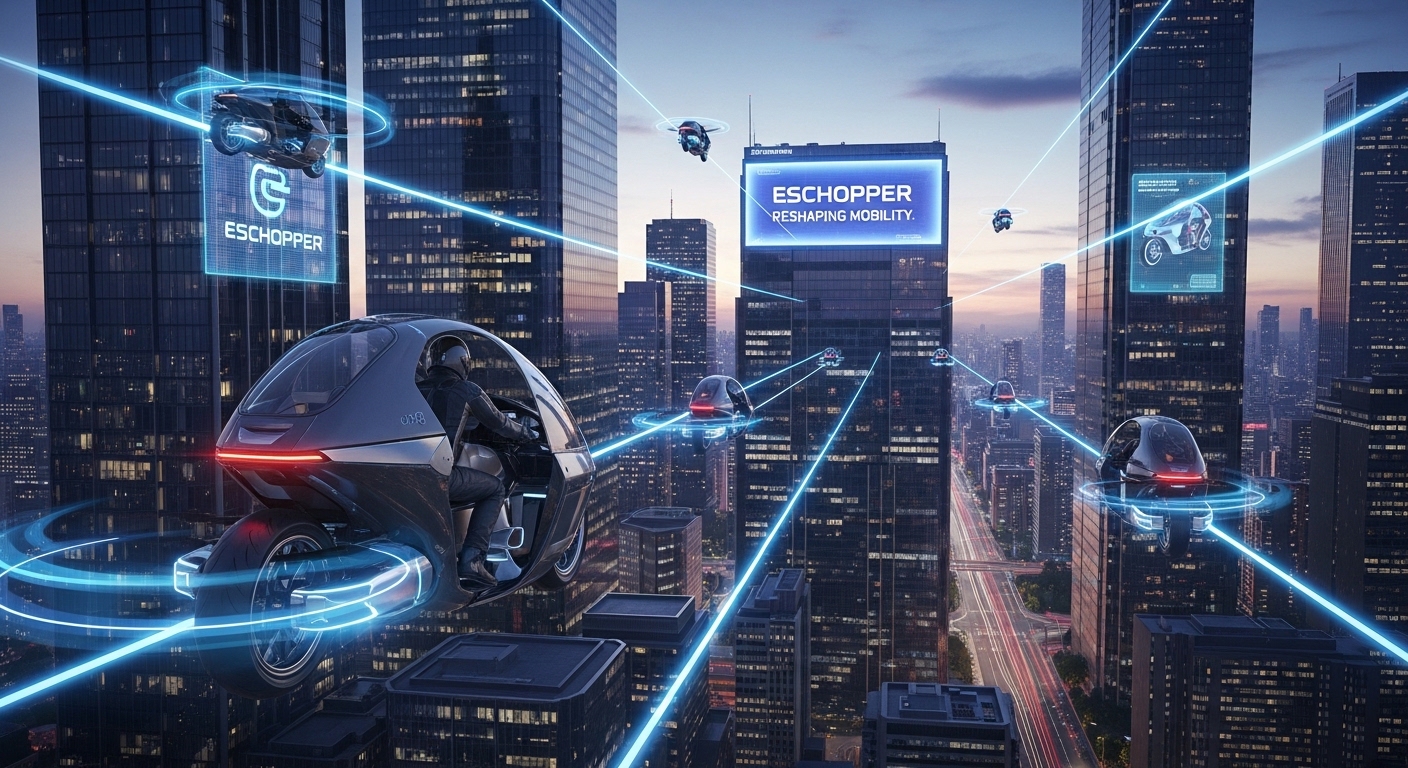
Eschopper is rapidly emerging as a transformative concept in the world of transportation and technology. As urban environments become more congested and environmental concerns intensify, innovative solutions are required to address mobility challenges. Eschopper represents a fusion of advanced engineering and smart mobility systems, offering a modern approach to transportation that is both efficient and environmentally conscious. The concept revolves around compact, electric-powered systems designed to improve urban travel while minimizing environmental impact. With cities expanding and populations increasing, the need for smarter mobility solutions has never been more pressing, and eschopper stands at the forefront of this evolution.
The development of es-chopper systems reflects a broader shift toward sustainable innovation. Governments, private companies, and researchers are investing heavily in alternative transportation methods that reduce carbon emissions and optimize energy use. In this context, eschopper is not just a product or a device but a symbol of a larger movement toward greener and more efficient living. Its adaptability across different urban settings makes it particularly appealing, as it can be tailored to meet the needs of various populations and infrastructures.
Understanding the Core Concept of Es-chopper
Es-chopper technology is built upon the integration of electric propulsion, lightweight materials, and intelligent control systems. These elements work together to create a transportation solution that is both practical and forward-thinking. Unlike traditional vehicles that rely heavily on fossil fuels, eschopper systems are designed to operate using clean energy sources, thereby reducing their environmental footprint. This makes them particularly suitable for densely populated urban areas where pollution and traffic congestion are significant concerns.
The core design philosophy behind es-chopper emphasizes efficiency and user convenience. By incorporating advanced battery systems and energy management technologies, these systems can achieve impressive performance while maintaining low operational costs. Additionally, the compact nature of eschopper devices allows for easy maneuverability in crowded city streets, making them an ideal choice for short-distance travel.
| Feature | Description | Benefit |
|---|---|---|
| Electric Propulsion | Uses battery-powered motors | Reduces emissions |
| Compact Design | Small and lightweight structure | Easy navigation in cities |
| Smart Controls | Integrated digital systems | Enhances user experience |
| Energy Efficiency | Optimized power consumption | Lower operating costs |
Eschopper in Urban Transportation Systems
Es-chopper is increasingly being integrated into urban transportation systems as cities seek to modernize their infrastructure. The flexibility of this technology allows it to complement existing modes of transportation, such as buses, trains, and bicycles. By providing a convenient alternative for short trips, eschopper helps reduce the reliance on larger vehicles, thereby alleviating traffic congestion and lowering pollution levels.
Urban planners are recognizing the potential of eschopper to reshape how people move within cities. Dedicated lanes, charging stations, and smart parking solutions are being developed to support its widespread adoption. These initiatives not only enhance the usability of es-chopper systems but also contribute to the overall efficiency of urban mobility networks.
Environmental Benefits of Es-chopper
One of the most significant advantages of es-chopper technology is its positive impact on the environment. By relying on electric power rather than fossil fuels, these systems produce significantly fewer greenhouse gas emissions. This makes them an attractive option for cities aiming to meet sustainability targets and reduce their carbon footprint.
In addition to reducing emissions, es-chopper systems also contribute to lower noise pollution. Traditional vehicles, especially those powered by internal combustion engines, generate considerable noise that can affect the quality of life in urban areas. Eschopper devices, on the other hand, operate quietly, creating a more pleasant environment for residents.
| Environmental Aspect | Traditional Vehicles | Eschopper Systems |
| Emissions | High | Low |
| Noise Pollution | Significant | Minimal |
| Energy Source | Fossil Fuels | Electric Power |
| Sustainability | Limited | High |
Technological Innovations Behind Eschopper
The advancement of eschopper technology is driven by continuous innovation in several key areas. Battery technology plays a crucial role, as improvements in energy density and charging speed directly impact the performance and usability of these systems. Modern eschopper devices often feature lithium-ion batteries that offer longer lifespans and faster charging capabilities.
Another important aspect is the integration of smart technology. Many eschopper systems are equipped with digital interfaces that allow users to monitor performance, track usage, and optimize routes. These features enhance the overall user experience and make the technology more accessible to a wider audience.
The use of lightweight materials such as aluminum and carbon fiber further enhances the efficiency of eschopper systems. These materials reduce the overall weight of the device, allowing for better energy efficiency and improved performance.
Economic Implications of Eschopper Adoption
The adoption of eschopper technology has significant economic implications for both individuals and societies. For users, the lower operating costs associated with electric power make eschopper an affordable alternative to traditional vehicles. Maintenance costs are also reduced, as electric systems typically have fewer moving parts and require less frequent servicing.
From a broader perspective, the widespread use of eschopper can lead to economic benefits for cities and governments. Reduced traffic congestion and lower pollution levels can result in decreased healthcare costs and improved productivity. Additionally, the development and manufacturing of eschopper systems can create new job opportunities in various sectors.
| Economic Factor | Impact of Eschopper |
| Operating Costs | Reduced |
| Maintenance Costs | Lower |
| Job Creation | Increased |
| Urban Efficiency | Improved |
Challenges Facing Eschopper Development
Despite its many advantages, eschopper technology faces several challenges that must be addressed to ensure its widespread adoption. One of the primary concerns is the availability of charging infrastructure. Without a reliable network of charging stations, the usability of eschopper systems may be limited, particularly in less developed areas.
Another challenge is the initial cost of production. While operating costs are low, the upfront investment required to develop and manufacture eschopper devices can be significant. This may limit their accessibility to certain segments of the population.
Regulatory issues also play a role in the adoption of eschopper technology. Governments must establish clear guidelines and standards to ensure the safe and efficient use of these systems. This includes regulations related to speed limits, safety features, and road usage.
Future Prospects of Eschopper Technology
The future of eschopper technology looks promising, with ongoing advancements expected to enhance its capabilities and expand its applications. As battery technology continues to improve, we can expect longer ranges and faster charging times, making eschopper systems even more practical for everyday use.
The integration of artificial intelligence and machine learning is another area of potential growth. These technologies can enable smarter navigation systems, predictive maintenance, and enhanced safety features. As a result, eschopper systems may become even more efficient and user-friendly.
In addition, the growing emphasis on sustainability is likely to drive further investment in eschopper technology. Governments and organizations around the world are increasingly prioritizing environmentally friendly solutions, creating a favorable environment for the continued development of this innovative concept.
Social Impact of Eschopper Adoption
The adoption of eschopper technology also has important social implications. By providing an affordable and accessible mode of transportation, it can improve mobility for individuals who may not have access to traditional vehicles. This can enhance social inclusion and enable greater participation in economic and social activities.
Eschopper systems can also contribute to healthier lifestyles by encouraging outdoor activity and reducing reliance on sedentary forms of transportation. Furthermore, the reduction in noise and air pollution can lead to improved quality of life in urban areas.
Eschopper and Smart Cities
Es-chopper technology aligns closely with the concept of smart cities, where digital innovation is used to enhance urban living. By integrating with existing smart infrastructure, eschopper systems can contribute to more efficient and sustainable cities.
For example, smart traffic management systems can optimize the flow of eschopper devices, reducing congestion and improving safety. Similarly, data collected from es-chopper usage can be used to inform urban planning decisions and improve transportation networks.
| Smart City Element | Role of Eschopper |
| Traffic Management | Optimized Flow |
| Data Analytics | Informed Planning |
| Sustainability | Reduced Emissions |
| Connectivity | Enhanced Mobility |
Conclusion
Es-chopper represents a significant step forward in the evolution of modern transportation. Its combination of efficiency, sustainability, and technological innovation makes it a compelling solution to many of the challenges facing urban mobility today. While there are still obstacles to overcome, the potential benefits of eschopper technology are substantial.
As cities continue to grow and evolve, the need for innovative transportation solutions will only increase. Es-chopper stands as a testament to the power of human ingenuity and the potential for technology to create a more sustainable and efficient future. By embracing this concept and addressing its challenges, we can pave the way for a new era of mobility that benefits both individuals and society as a whole.
Expanding the Role of Eschopper in Global Mobility
The global adoption of eschopper technology will depend on collaboration between governments, businesses, and communities. By working together, these stakeholders can create an environment that supports innovation and encourages the widespread use of es-chopper systems.
Final Thoughts on Eschopper Innovation
Es-chopper is more than just a technological advancement; it is a reflection of a broader shift toward sustainable and intelligent living. Its potential to transform transportation and improve quality of life is immense. As research and development continue, we can expect even greater innovations that will further enhance the capabilities of eschopper systems.
The journey of es-chopper is just beginning, and its impact on the world is likely to grow in the years to come. By embracing this technology and addressing its challenges, we can move toward a future that is not only more efficient but also more sustainable and inclusive