

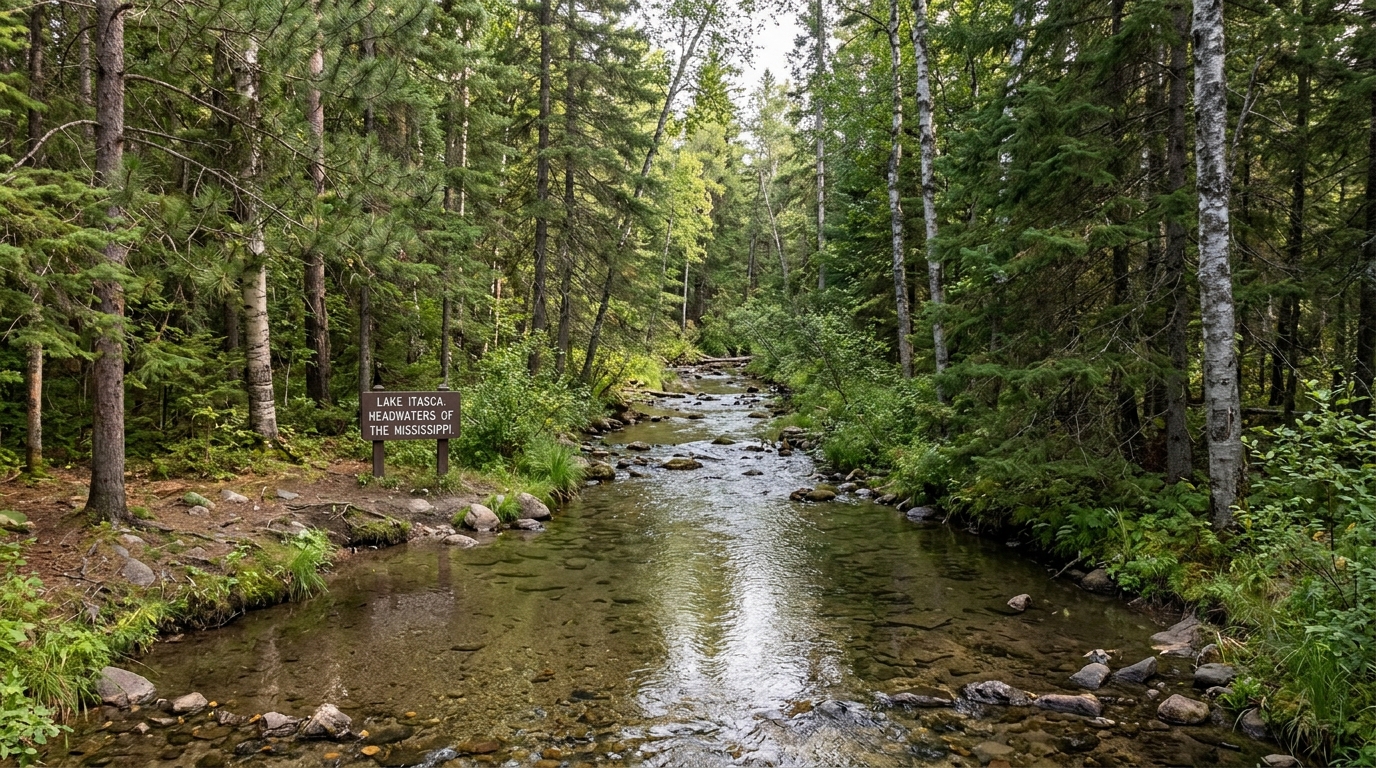
Reka Mississippi presents an intriguing subject that blends geographical imagination with cultural interpretation. While the phrase itself may not correspond to a formally recognized place, it evokes strong associations with the Mississippi region, known for its vast river systems, fertile lands, and layered historical narratives. In this article, Reka Mississippi is examined as a conceptual lens through which we understand the environment, heritage, and socio-economic fabric tied to the Mississippi River and its surrounding areas.
The Mississippi River has long been one of the most significant waterways in North America, shaping commerce, settlement, and culture. By framing the discussion around Reka Mississippi, we can explore these elements in a fresh and structured way, connecting natural systems with human development.
The Geography Behind Reka Mississippi
The idea of Reka Mississippi draws heavily from the physical characteristics of the Mississippi River basin. This region stretches across multiple states and serves as a central artery for water flow, agriculture, and transportation. The river itself spans over 2,300 miles, making it one of the longest rivers in the world.
The geography includes floodplains, wetlands, forests, and agricultural zones that contribute to its ecological richness. Seasonal flooding plays a crucial role in replenishing soil nutrients, although it also presents challenges for nearby communities.
Below is a table illustrating key geographical features associated with the broader Mississippi region:
| Feature Type | Description | Importance |
|---|---|---|
| River Length | Approximately 2,300 miles | Major transport and water source |
| Floodplains | Wide, fertile lands along the river | Agriculture and ecosystem sustainability |
| Tributaries | Includes Missouri and Ohio Rivers | Expands water network |
| Wetlands | Marshes and swamps | Biodiversity and flood control |
| Delta Region | Southern discharge into the Gulf | Fishing and trade |
These features collectively define the environmental identity often captured in the term Reka Mississippi.
Historical Context of Reka Mississippi
Understanding Reka Mississippi requires examining the deep historical roots of the Mississippi region. Indigenous peoples inhabited the area for thousands of years before European exploration. These communities relied on the river for food, transportation, and spiritual practices.
The arrival of European explorers in the 16th and 17th centuries marked a turning point. Colonization introduced new economic systems, including plantation agriculture, which heavily depended on enslaved labor. The river became a crucial trade route for goods such as cotton, timber, and food products.
Throughout the 19th century, the Mississippi River region played a pivotal role in American expansion and conflict, particularly during the Civil War. Control of the river was seen as a strategic advantage, further highlighting its importance.
Cultural Significance of Reka Mississippi
Reka Mississippi also symbolizes a rich cultural tapestry influenced by diverse communities. Music, literature, and cuisine have all been shaped by the river and its surrounding regions. Blues music, for example, originated in areas along the Mississippi Delta and continues to influence global music today.
The cultural landscape includes traditions passed down through generations, blending African, Native American, and European influences. Storytelling, folklore, and festivals contribute to a shared identity rooted in resilience and creativity.
The following table outlines cultural elements associated with the Mississippi region:
| Cultural Aspect | Description | Influence Scope |
|---|---|---|
| Music | Blues, jazz, and gospel traditions | Global artistic impact |
| Cuisine | Southern cooking, seafood, and local crops | Regional and national popularity |
| Festivals | Community celebrations and music events | Tourism and cultural preservation |
| Literature | Works inspired by river life and history | Educational and artistic value |
| Oral Traditions | Folklore and storytelling | Cultural continuity |
These elements collectively shape the narrative often explored through Reka Mississippi.
Economic Dimensions of Reka Mississippi
The economic framework tied to Reka Mississippi reflects the importance of the river in trade and industry. Historically, steamboats transported goods along the river, connecting rural areas with urban markets. Today, the river continues to support shipping, agriculture, and tourism.
Agriculture remains a cornerstone of the regional economy, with crops such as corn, soybeans, and cotton dominating the landscape. The fertile soil provided by the river’s floodplains enhances productivity, making it one of the most important agricultural regions in the United States.
Industrial development has also taken place along the river, including manufacturing plants and energy facilities. However, economic growth has been uneven, with some areas facing challenges such as poverty and limited infrastructure.
Environmental Challenges in Reka Mississippi
Reka Mississippi also highlights the environmental concerns associated with large river systems. Pollution, climate change, and habitat loss are ongoing issues that affect the health of the ecosystem.
Agricultural runoff contributes to water pollution, leading to problems such as algal blooms and reduced oxygen levels. Climate change has intensified flooding and altered weather patterns, creating uncertainty for communities and industries.
Conservation efforts are underway to address these challenges, focusing on sustainable practices and ecosystem restoration. These initiatives aim to balance economic needs with environmental protection.
Social Dynamics of Reka Mississ-ippi
The social fabric associated with Reka Mississippi is complex and multifaceted. Communities along the river vary widely in terms of demographics, economic status, and cultural backgrounds.
Urban centers offer opportunities for employment and education, while rural areas often rely on agriculture and local industries. Access to resources such as healthcare and education can differ significantly, highlighting disparities within the region.
Despite these challenges, strong community ties and cultural pride remain defining characteristics. Local traditions and shared histories contribute to a sense of identity that persists across generations.
Tourism and Recreation in Reka Mississ-ippi
Reka Mississippi also represents a destination for tourism and recreation. The river and its surrounding landscapes offer opportunities for activities such as boating, fishing, and wildlife observation.
Historic towns and cultural sites attract visitors interested in learning about the region’s past. Museums, music venues, and festivals provide insight into the cultural heritage shaped by the river.
Tourism contributes to local economies while promoting awareness of the region’s unique characteristics. Sustainable tourism practices are increasingly important to preserve natural and cultural resources.
Modern Interpretations of Reka Mississippi
In contemporary discussions, Reka Mississippi can be seen as a conceptual framework that integrates geography, history, and culture. It allows for a holistic understanding of how natural systems influence human experiences.
Modern technology and research continue to expand our knowledge of the river and its impact. Data analysis, environmental monitoring, and urban planning all play roles in shaping the future of the region.
The concept also encourages creative interpretations in art, literature, and education, offering new ways to engage with the Mississippi narrative.
Future Prospects of Reka Mississippi
Looking ahead, Reka Mississippi symbolizes both challenges and opportunities. Sustainable development will be key to ensuring the long-term health of the region.
Efforts to improve infrastructure, reduce environmental impact, and promote economic growth must be balanced with the preservation of cultural heritage. Collaboration between communities, governments, and organizations will be essential.
The future of the Mississippi region depends on adaptive strategies that address changing conditions while maintaining the values that define it.
Conclusion
Reka Mississippi serves as a powerful lens through which we can explore the interconnected aspects of geography, history, culture, and economy tied to the Mississippi River. By examining these elements together, we gain a deeper appreciation for the complexity and significance of the region.
From its natural landscapes to its cultural expressions, the Mississippi River continues to shape lives and narratives. The concept of Reka Mississippi encourages us to view this influence in a comprehensive and meaningful way, highlighting both its enduring legacy and its evolving future.